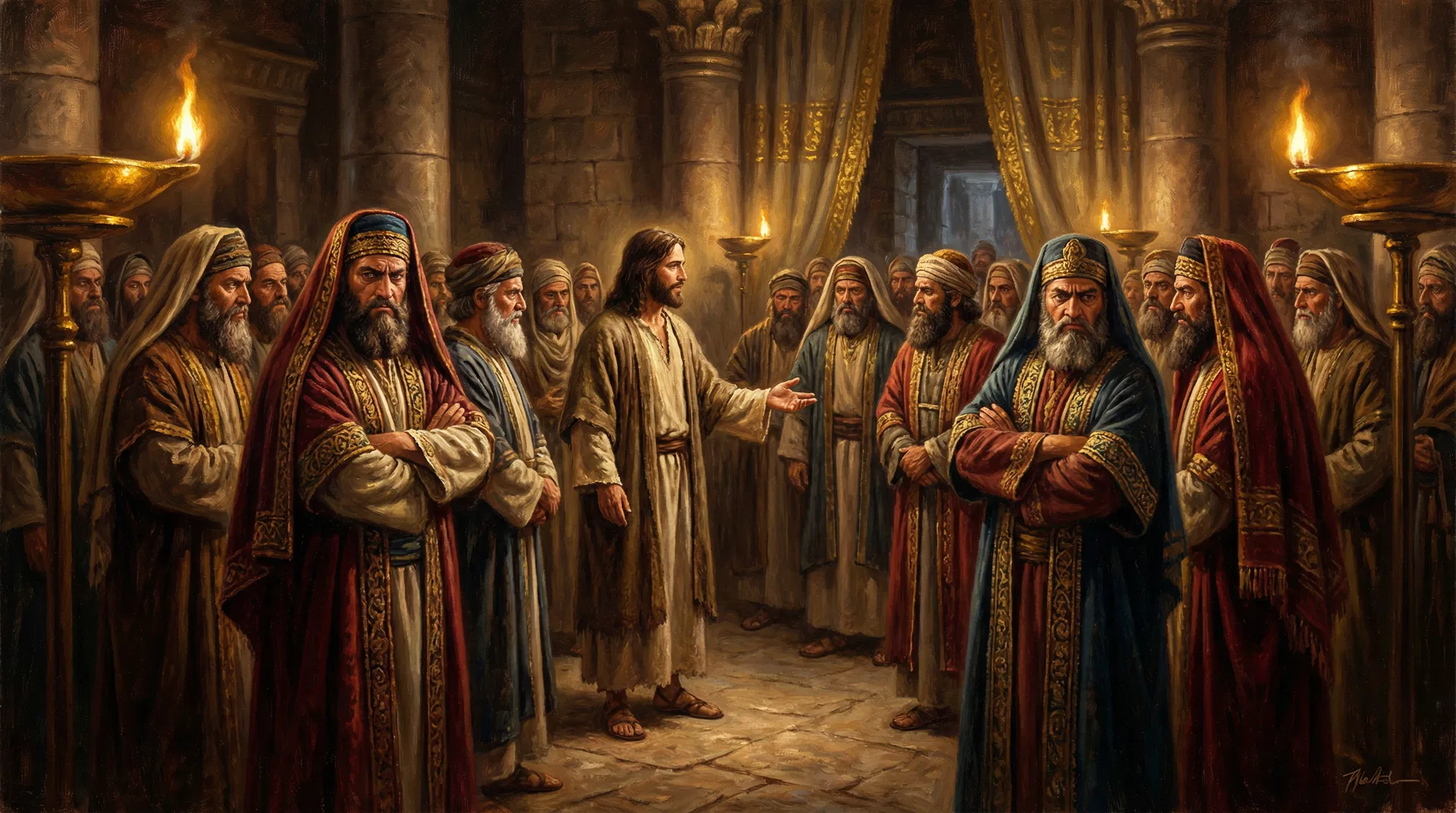
Holy Week Tuesday: Teaching and Confrontation
Tuesday was the longest and most intense day of Holy Week. Jesus arrived at the temple courts and faced a marathon of hostile interrogation from the Pharisees, Sadducees, and Herodians — and silenced every challenger with answers that still shape Christian theology today.
Tuesday was the longest and most intense day of Holy Week. While the other days of Passion Week each center on a single defining event — the triumphal entry, the temple cleansing, the Last Supper, the crucifixion — Tuesday was a marathon of public teaching, hostile interrogation, and prophetic revelation. Jesus arrived at the temple courts early in the morning and did not leave until He had silenced every challenger, exposed the hypocrisy of the religious establishment, and delivered the most detailed prophecy of His entire ministry. If you have ever wondered what Jesus actually taught during His final week, Tuesday is where you find the answer. The Gospels of Matthew, Mark, and Luke devote more space to this single day than to any other day of Holy Week except Friday. What happened in those temple courts still shapes how Christians understand authority, love, judgment, and the end of the age.
The Challenge About Authority
"And they said to him, 'By what authority are you doing these things, or who gave you this authority to do them?'" — Mark 11:28 (ESV)
Walk through this moment in Scripture
Read the full passage with verse-by-verse commentary, historical context, and parallel accounts — free, no account required.
The chief priests, scribes, and elders opened the day by demanding that Jesus justify His authority. The day before, He had overturned the money-changers' tables and disrupted the entire temple economy. Now the Sanhedrin wanted a public accounting. The Greek word for "authority" here is exousia (ἐξουσία), which means not just power but the right to exercise power — a delegated, legitimate jurisdiction. They were asking whether Jesus had rabbinic credentials, prophetic commission, or some other recognized basis for His actions. Jesus responded with a counter-question about John the Baptist's baptism — was it from heaven or from man? — and trapped them in their own logic. If they said "from heaven," Jesus would ask why they did not believe John. If they said "from man," the crowd would turn on them, because the people regarded John as a prophet. They answered, "We do not know," and Jesus refused to answer their question in return. This was not evasion; it was exposure. He revealed that the religious authorities were not interested in truth — they were interested in control.
The Parable of the Tenants
"And he began to speak to them in parables. 'A man planted a vineyard and put a fence around it and dug a pit for the winepress and built a tower, and leased it to tenants and went into another country.'" — Mark 12:1 (ESV)
Jesus then told a parable that was unmistakably aimed at the religious leaders. A landowner (God) planted a vineyard (Israel), entrusted it to tenants (the religious authorities), and sent servants (the prophets) to collect the fruit. The tenants beat and killed each servant. Finally, the owner sent his beloved son, and the tenants killed him too. The Greek word for "beloved" is agapetos (ἀγαπητός) — the same word used at Jesus's baptism when the Father declared, "This is my beloved Son" (Matthew 3:17). The parable was a compressed history of Israel's rejection of God's messengers, culminating in the rejection of His Son. Mark records that the chief priests "perceived that he had told the parable against them" (Mark 12:12). They wanted to arrest Him on the spot but feared the crowd. Jesus was not hiding His identity or His mission. He was publicly declaring that the religious establishment had failed in its stewardship and that judgment was coming.
Render to Caesar
"Jesus said to them, 'Render to Caesar the things that are Caesar's, and to God the things that are God's.' And they marveled at him." — Mark 12:17 (ESV)
The Pharisees and Herodians — political enemies who united against a common threat — tried to trap Jesus with a question about Roman taxation. If He said "pay the tax," He would alienate the Jewish nationalists. If He said "do not pay," He could be reported to Rome for sedition. Jesus asked for a denarius and pointed to Caesar's image stamped on it. The Greek word apodote (ἀπόδοτε), translated "render," means to give back what is owed — to return something to its rightful owner. Caesar's image was on the coin, so give it back to Caesar. But the deeper implication was devastating: if coins bearing Caesar's image belong to Caesar, then human beings bearing God's image belong to God. Jesus was not making a statement about tax policy. He was making a statement about ultimate allegiance. Every person in that crowd bore the imago Dei, and no earthly empire could claim what belonged to the Creator.
If you find this kind of verse-by-verse commentary helpful, BibleCompass provides AI-powered commentary for every passage in the Bible. Try it free →
The Greatest Commandment
"And he said to him, 'You shall love the Lord your God with all your heart and with all your soul and with all your mind. This is the great and first commandment. And a second is like it: You shall love your neighbor as yourself.'" — Matthew 22:37-39 (ESV)
When a scribe asked Jesus to identify the greatest commandment out of the 613 laws in the Torah, Jesus quoted Deuteronomy 6:5 [blocked] and Leviticus 19:18 [blocked]. The Greek word for "love" in both commands is agapao (ἀγαπάω) — not a feeling but a deliberate, self-giving commitment that engages the whole person: heart (emotion), soul (identity), and mind (intellect). By linking love of God and love of neighbor as inseparable, Jesus was declaring that genuine worship cannot exist apart from genuine compassion. This was not a new teaching — both verses came from the Old Testament — but no rabbi before Jesus had unified them as the interpretive key to all of Scripture. Mark adds that the scribe agreed with Jesus and said, "You are right, Teacher," and Jesus told him, "You are not far from the kingdom of God" (Mark 12:34). It was the only time during Tuesday's confrontations that a religious leader responded with honesty rather than hostility.
The Widow's Offering
"And he sat down opposite the treasury and watched the people putting money into the offering box. Many rich people put in large sums. And a poor widow came and put in two small copper coins, which make a penny." — Mark 12:41-42 (ESV)
After silencing every challenger, Jesus sat down near the temple treasury and watched people give their offerings. The two coins the widow deposited were lepta (λεπτά), the smallest denomination in circulation — worth roughly one-sixty-fourth of a day's wage. Jesus told His disciples that she had given more than all the wealthy donors combined, "for they all contributed out of their abundance, but she out of her poverty has put in everything she had, all she had to live on" (Mark 12:44). The Greek phrase holon ton bion (ὅλον τὸν βίον) means "her whole life" — not just her spare change but her entire means of survival. This was not a lesson about fundraising. It was a lesson about what genuine faith looks like [blocked] when no one is watching. The wealthy gave from surplus; the widow gave from sacrifice. Jesus measured generosity not by the amount but by the cost.
The Olivet Discourse
"And Jesus answered them, 'See that no one leads you astray. For many will come in my name, saying, "I am the Christ," and they will lead many astray.'" — Matthew 24:4-5 (ESV)
As Jesus left the temple for the last time, His disciples pointed out the magnificent temple buildings. Jesus responded with a prophecy that stunned them: "There will not be left here one stone upon another that will not be thrown down" (Matthew 24:2). On the Mount of Olives, the disciples asked Him privately when these things would happen and what would signal the end of the age. What followed is the longest prophetic discourse in the Gospels — covering false messiahs, wars, famines, persecution, the abomination of desolation, and the return of the Son of Man. The Greek word for "leads astray" is planeo (πλανάω), from which we get the English word "planet" (a wandering star). Jesus's primary concern was not giving a timeline but issuing a warning: deception, not persecution, would be the greatest threat to His followers. This prophecy was partially fulfilled in AD 70 when the Roman general Titus destroyed the temple exactly as Jesus described. The historical reliability of these predictions [blocked] continues to be one of the strongest evidences for the trustworthiness of the Gospels.
How to Apply Tuesday's Lessons Today
Holy Week Tuesday reveals a Jesus who was not passive, sentimental, or conflict-averse. He engaged directly with the hardest questions of His day — about authority, politics, love, sacrifice, and the future — and He did so with a clarity that left His opponents speechless. Three practical applications emerge from this day.
First, take your hardest questions to Scripture rather than avoiding them. The religious leaders tried to weaponize questions against Jesus, but He turned every challenge into a teaching moment. If you are wrestling with doubts about faith, politics, or suffering, the Bible is not afraid of your questions. BibleCompass's AI commentary can help you explore any passage with the kind of verse-by-verse depth [blocked] that Tuesday's teaching exemplifies.
Second, examine where your allegiance truly lies. The "render to Caesar" exchange forces every reader to ask: what in my life bears God's image but is being given to something else? Your time, your identity, your deepest loyalty — these belong to the One who made you.
Third, let the widow's offering recalibrate your understanding of generosity. Faithfulness is not measured by the size of the gift but by the depth of the sacrifice. What would it look like to give God not your surplus but your trust?
Continue Your Holy Week Study
If you found this verse-by-verse study of Tuesday helpful, BibleCompass provides this kind of AI-powered commentary for every chapter in the Bible — with Greek and Hebrew word studies, historical context, and personal application built into every passage. You can continue walking through Holy Week with our complete 7-day overview [blocked], start a personalized reading plan through the Gospels, or explore any passage that caught your attention today. Start studying with BibleCompass →
Recommended Reading
Deepen your study with these hand-picked books related to this article.
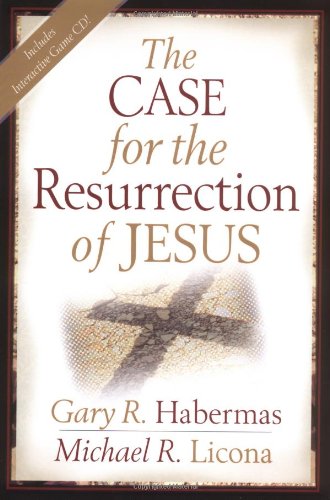
The Case for the Resurrection of Jesus
Gary Habermas & Michael Licona
A comprehensive, accessible resource providing detailed historical evidence for the resurrection of Jesus.
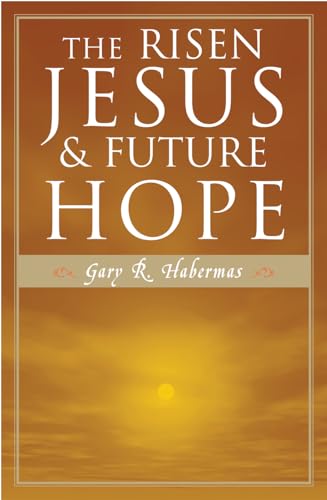
The Risen Jesus and Future Hope
Gary Habermas
Demonstrates the historicity of the resurrection and connects it to the Christian's future hope.
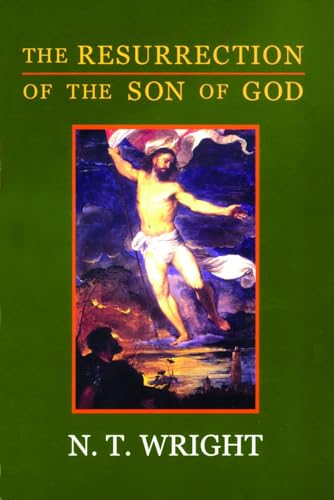
The Resurrection of the Son of God
N.T. Wright
A monumental scholarly work examining the historical evidence for the bodily resurrection of Jesus.
As an Amazon Associate, BibleCompass earns from qualifying purchases.
Get the 7-Day Holy Week Devotional
Palm Sunday → Resurrection Sunday — free, delivered to your inbox
Related Articles
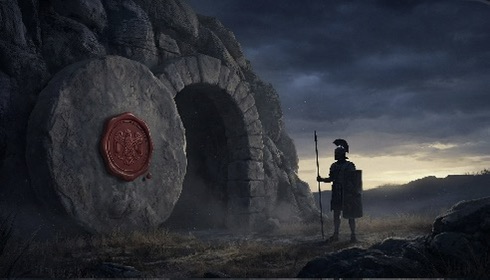
Holy Week: Resurrection Sunday — He Is Risen
Resurrection Sunday is the hinge point of all human history. This verse-by-verse study examines the empty tomb accounts across all four Gospels, the Greek behind the resurrection proclamation, and the historical evidence that has convinced skeptics for two thousand years.
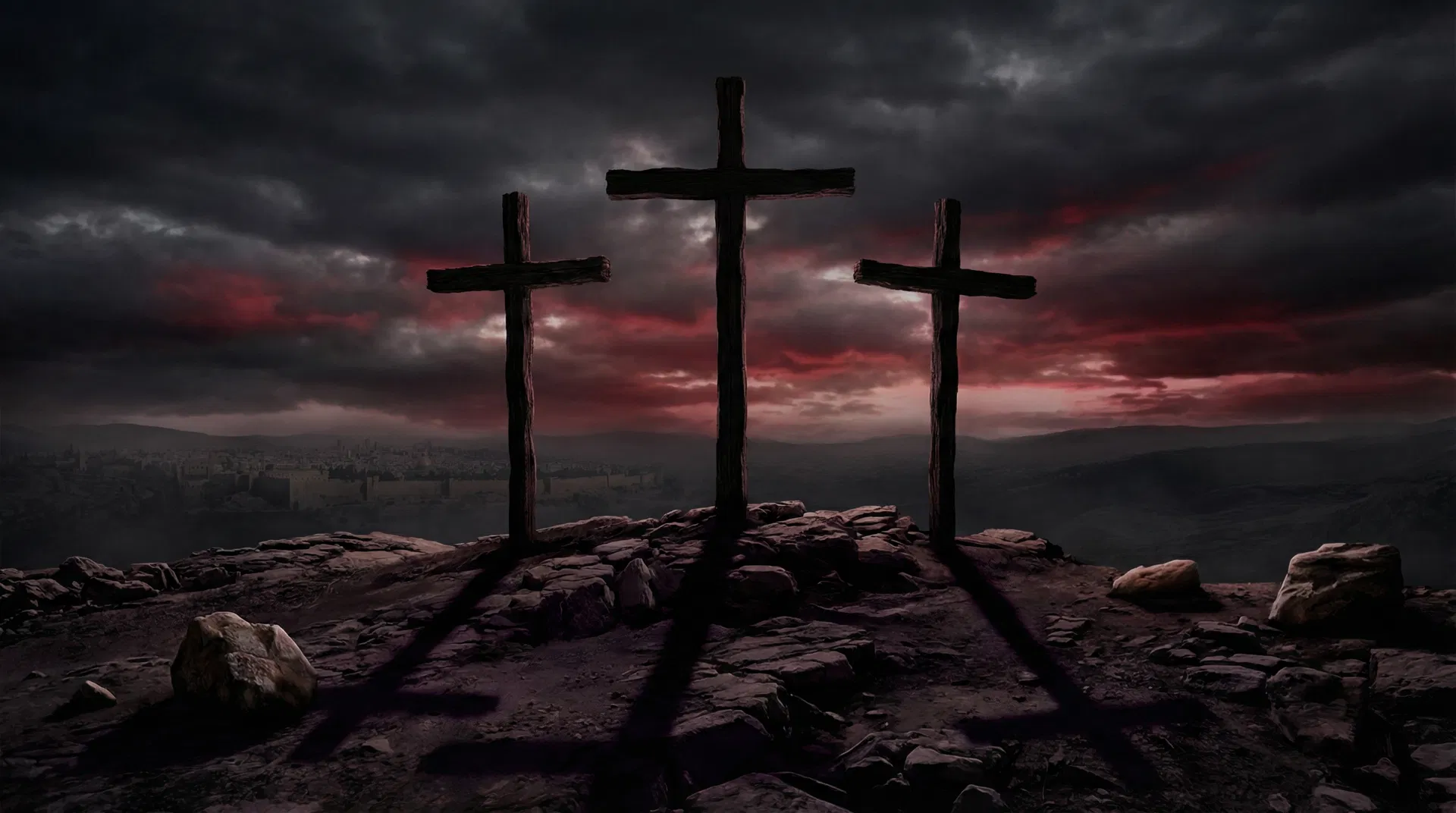
Holy Week Friday: Why This Day Changes Everything
Good Friday is the hinge of human history. Through six key passages — from Isaiah's prophecy to the tearing of the temple curtain — this verse-by-verse study explores the Greek behind 'It is finished' and why the cross changes everything.
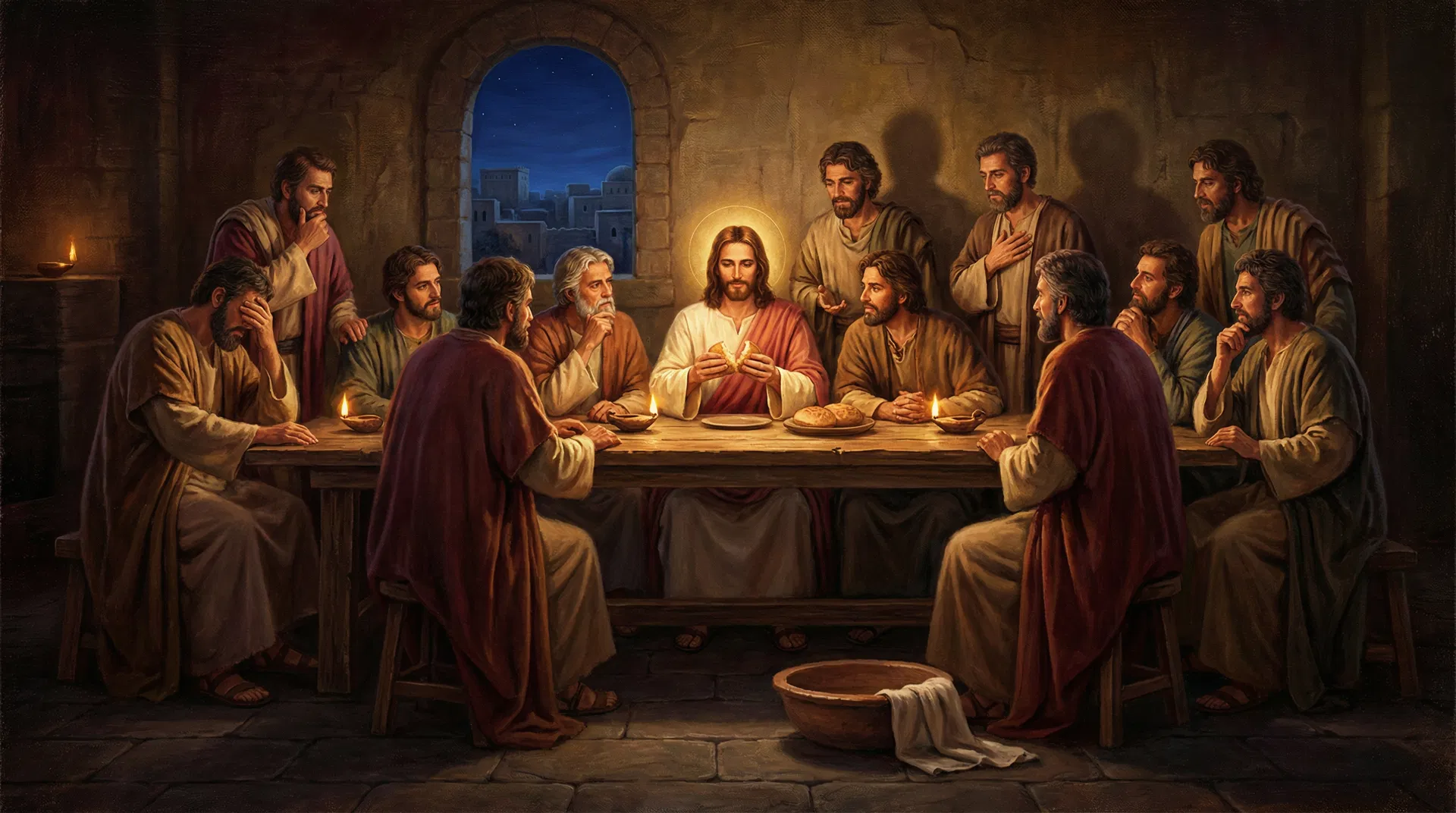
Holy Week Thursday: The Last Supper
Thursday of Holy Week is the most event-dense day in the Passion narrative. Within a single evening, Jesus washed His disciples' feet, instituted communion, delivered His longest recorded prayer, and surrendered Himself in Gethsemane.
Community Discussion
(0)Sign in to join the discussion.
No comments yet. Be the first to share your thoughts!