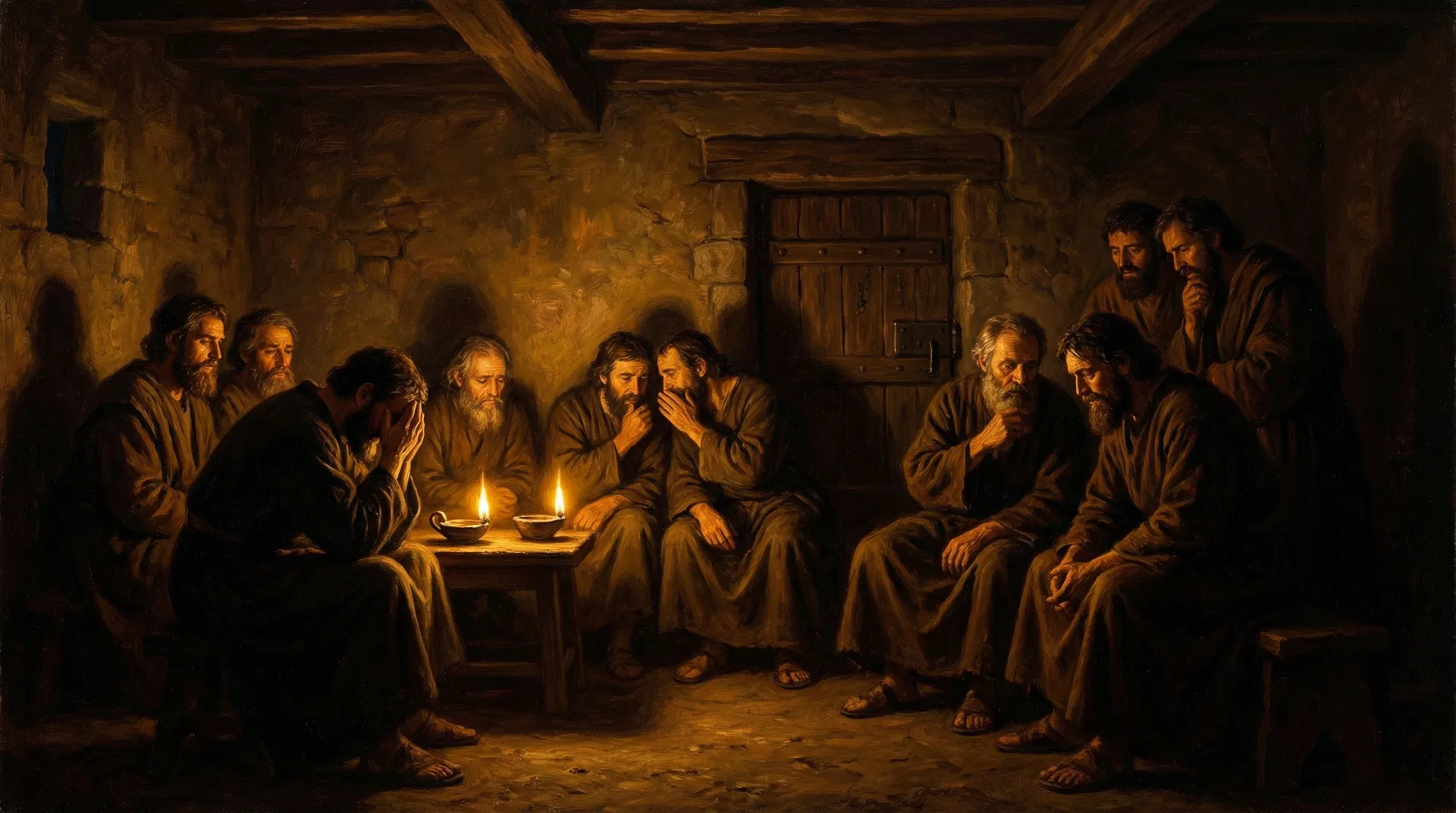
Holy Saturday: The Silent Day Between Death and Resurrection
Holy Saturday is the most overlooked day of Holy Week — yet it may be the most emotionally honest. Explore what Scripture says about the day the tomb was sealed and hope seemed buried.
Introduction
There is a day in the Christian calendar that receives almost no attention — a day sandwiched between the horror of Good Friday and the triumph of Easter Sunday. It is Holy Saturday, and it may be the most emotionally honest day of the entire Holy Week. No angel appears. No miracle occurs. The tomb is sealed, the disciples are scattered, and the silence is deafening.
If you have ever sat in the aftermath of a devastating loss — a death, a diagnosis, a relationship that ended without warning — you know what Holy Saturday feels like. It is the day when God seems absent, when prayer feels like shouting into an empty room, when hope has been buried and you are not yet sure it will rise again. The disciples lived inside that silence for an entire day. Scripture does not rush past it, and neither should we.
Holy Saturday is not a mistake in the narrative. It is a gift — a day that teaches us how to wait, how to grieve honestly, and how to trust a God who is working even when we cannot see it.
The Sealed Tomb: When the Enemy Thinks He Has Won
"The next day, that is, after the day of Preparation, the chief priests and the Pharisees gathered before Pilate and said, 'Sir, we remember how that impostor said, while he was still alive, "After three days I will rise." Therefore order the tomb to be made secure until the third day, lest his disciples go and steal him away and tell the people, "He has risen from the dead," and the last fraud will be worse than the first.' Pilate said to them, 'You have a guard of soldiers. Go, make it as secure as you can.' So they went and made the tomb secure by sealing the stone and setting a guard." — Matthew 27:62–66 (ESV)
Read Matthew 27 in context
Read the full passage with verse-by-verse commentary, historical context, and parallel accounts — free, no account required.
This passage is remarkable for what it reveals about the enemies of Jesus. They remembered His words about rising on the third day better than His own disciples did. The Greek word for "impostor" here is planos — a wanderer, a deceiver. They sealed the tomb not out of strength but out of fear. A Roman seal (sphragizo) carried the full authority of the empire; breaking it was a capital offense.
Yet in their frantic effort to contain the dead, they were unknowingly setting the stage for the most verifiable resurrection in history. The very precautions they took — the seal, the guard, the stone — became the evidence that the tomb was genuinely empty on Sunday morning. What they meant as a final lock became an unbreakable chain of testimony.
When circumstances seem to be closing in around you, when every door appears sealed, remember that the enemy's most confident moments are often the prelude to God's most decisive acts.
The Women Who Stayed
"The women who had come with him from Galilee followed and saw the tomb and how his body was laid. Then they returned and prepared spices and ointments. On the Sabbath they rested according to the commandment." — Luke 23:55–56 (ESV)
These unnamed women are among the most faithful figures in the entire passion narrative. They had followed Jesus from Galilee, supported His ministry, stood at the cross when the disciples fled, watched where He was buried, and now — in their grief — they prepared burial spices for a body they expected to remain dead.
The Greek word for "rested" is hesychazo — to be quiet, to be still, to cease from labor. It carries a weight that goes beyond mere Sabbath observance. These women rested in the most painful sense of the word: they stopped, they sat in their grief, they did not run from it. They honored the Sabbath even in the middle of their sorrow.
There is a profound theology here. The women did not yet know that Jesus would rise. They were preparing to anoint a corpse. And yet they rested. They trusted the rhythm of God's calendar even when they could not see His plan. Their obedience in grief is one of the most quietly heroic acts in all of Scripture.
If you find this kind of verse-by-verse commentary helpful, BibleCompass provides AI-powered commentary for every passage in the Bible. Try it free →
The Cry of Desolation: When God Seems Silent
"My God, my God, why have you forsaken me? Why are you so far from saving me, from the words of my groaning? O my God, I cry by day, but you do not answer, and by night, but I find no rest." — Psalm 22:1–2 (ESV)
Jesus quoted the opening line of this psalm from the cross on Friday. But Psalm 22 was also the lived experience of the disciples on Saturday. They had watched their Rabbi die. They had seen the sky go dark. They had heard the cry of desolation. Now, on Saturday, the silence continued.
The Hebrew word for "groaning" is sha'agah — a roaring, a lion's cry. This is not polite, composed prayer. This is the sound of a soul in agony. The psalmist is not being rebuked for this cry; he is being heard. The entire psalm, which begins in abandonment, ends in vindication (Psalm 22:24–31). The structure of the psalm mirrors the structure of Holy Week: Friday's desolation, Saturday's silence, Sunday's triumph.
The disciples did not yet know they were living inside a psalm that ends in resurrection. Neither do we, when we are in our own Holy Saturdays. But the pattern is written into Scripture: the cry of desolation is not the final word.
Waiting in Hope: The Theology of Holy Saturday
"It is good that one should wait quietly for the salvation of the LORD." — Lamentations 3:26 (ESV)
Lamentations was written by Jeremiah in the aftermath of Jerusalem's destruction — a city reduced to rubble, a temple burned to the ground, a people in exile. The Hebrew word for "wait" here is yachal — to hope with expectation, to wait with confident trust rather than passive resignation. It is the same word used in Psalm 31:24: "Be strong, and let your heart take courage, all you who wait for the LORD."
Holy Saturday is a day of yachal. The disciples were not waiting in passive despair; they were waiting in a grief that had not yet been given the information it needed to become hope. We, reading the story from the other side of Easter, know what they did not. But there are seasons in our own lives when we are living in the Saturday — when the promise has been spoken but not yet fulfilled, when the diagnosis has come but the healing has not, when the prayer has been prayed but the answer has not arrived.
Lamentations 3:26 does not say the waiting is easy. It says it is good. The goodness is not in the pain but in the One who holds the outcome.
The Guarantee of What Is Coming
"Blessed be the God and Father of our Lord Jesus Christ! According to his great mercy, he has caused us to be born again to a living hope through the resurrection of Jesus Christ from the dead." — 1 Peter 1:3 (ESV)
Peter wrote these words as a man who had lived through his own Holy Saturday — not just the one between Good Friday and Easter, but the personal Saturday of his denial, his failure, his three-times-spoken "I do not know the man." The Greek word anagennao ("born again") is a compound of ana (again, upward) and gennao (to beget). It is a word of reversal and renewal — the kind of language you use when something dead has been made alive.
Peter's Holy Saturday lasted longer than one day. His lasted until the risen Jesus met him on the beach and asked him three times, "Do you love me?" — one question for each denial. The resurrection did not just vindicate Jesus; it restored Peter. This is the promise embedded in every Holy Saturday: the resurrection is not only a historical event but a personal one. The same power that raised Jesus from the dead is at work in every buried hope, every sealed tomb, every silent Saturday in your life.
For more on how the resurrection anchors the entire Christian faith, see our article on the historical reliability of the New Testament [blocked].
Weeping Endures for a Night
"For his anger is but for a moment, and his favor is for a lifetime. Weeping may tarry for the night, but joy comes with the morning." — Psalm 30:5 (ESV)
The Hebrew word for "tarry" is lin — to lodge, to spend the night as a guest. Weeping is not a permanent resident; it is a visitor with a checkout time. The morning is not a vague metaphor here — it is a specific promise tied to the character of God. His favor (ratson — delight, goodwill, pleasure) outlasts His discipline by an infinite margin.
Holy Saturday is the night in which weeping lodges. Easter Sunday is the morning when joy arrives. The disciples did not know that the morning was only hours away. But the morning was coming regardless of whether they knew it. The resurrection was not contingent on their faith; it was the act of God that would produce their faith.
You may be in the night right now. The weeping may feel permanent. But Psalm 30:5 is not a platitude — it is a statement about the nature of God. The morning is coming. It always comes.
Application: How to Live in Your Holy Saturday
Holy Saturday invites two specific practices that are often neglected in Christian life.
First, learn to grieve honestly. The women who prepared burial spices were not rebuked for their grief; they were honored by being the first witnesses of the resurrection. Grief is not the opposite of faith — it is faith being honest about the weight of living in a broken world. If you are in a season of loss, allow yourself to sit in it rather than rushing to the Sunday of resolution. Lament is a biblical category. Psalms 22, 88, and Lamentations exist precisely because God welcomes honest sorrow.
Second, practice Sabbath waiting. The women rested on Saturday not because everything was fine but because they trusted the rhythm of God's calendar even in pain. Consider identifying one area of your life where you have been striving anxiously for a resolution that only God can bring — a relationship, a health situation, a financial pressure. Deliberately choose to rest in that area for one day, not as passivity but as an act of trust. Write Lamentations 3:26 somewhere visible: "It is good that one should wait quietly for the salvation of the LORD."
For practical guidance on building a consistent Scripture study habit, see our guide on how to study the Bible effectively [blocked]. And if you want to trace the full arc of Holy Week, start with our overview of the most powerful 7 days in history [blocked].
Conclusion
Holy Saturday is the day the story paused. The tomb was sealed, the disciples were hidden, and the silence stretched from Friday evening to Sunday dawn. But the silence was not emptiness — it was the held breath before the greatest event in human history.
If you are living in your own Holy Saturday right now — waiting for a promise to be fulfilled, sitting in the aftermath of a loss, wondering if God is still at work — the message of this day is not "be patient." It is something far more specific: the tomb is already sealed, the guard is already posted, and the resurrection is already coming. You are not waiting for God to act. You are waiting to see what He has already set in motion.
The morning is coming. It always comes.
Explore the Full Holy Week Story with Verse-by-Verse Commentary
If you found these commentaries helpful, BibleCompass provides this kind of AI-powered verse-by-verse commentary for every passage in the 66-book Bible. You can explore the full Holy Week narrative from Palm Sunday through Easter, build a personalized reading plan, and study cross-references across the entire canon — all for free. Try BibleCompass today →
To continue the Holy Week series, read Good Friday: Why This Day Changes Everything [blocked] and continue to Resurrection Sunday: He Is Risen [blocked].
Recommended Reading
Deepen your study with these hand-picked books related to this article.
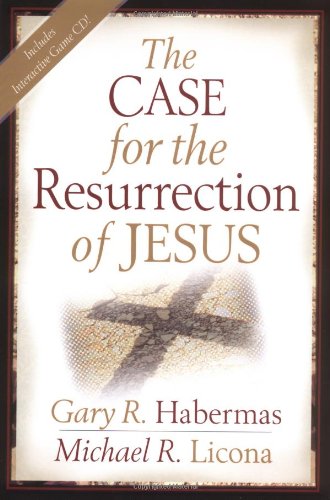
The Case for the Resurrection of Jesus
Gary Habermas & Michael Licona
A comprehensive, accessible resource providing detailed historical evidence for the resurrection of Jesus.
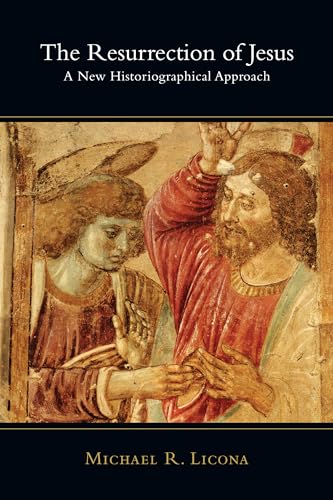
The Resurrection of Jesus
Michael Licona
A comprehensive scholarly defense of the bodily resurrection of Jesus using the best historical methods and engaging critical scholarship.
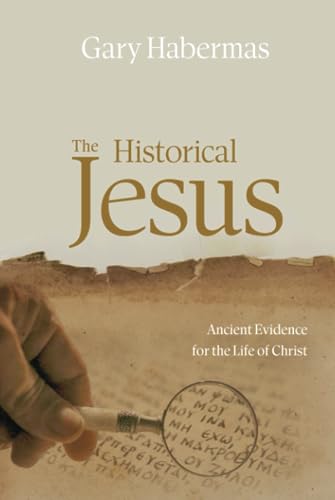
The Historical Jesus
Gary Habermas
Examines archaeological, textual, and extra-biblical evidence to establish the historicity of Jesus Christ.
As an Amazon Associate, BibleCompass earns from qualifying purchases.
Get the 7-Day Holy Week Devotional
Palm Sunday → Resurrection Sunday — free, delivered to your inbox
Related Articles
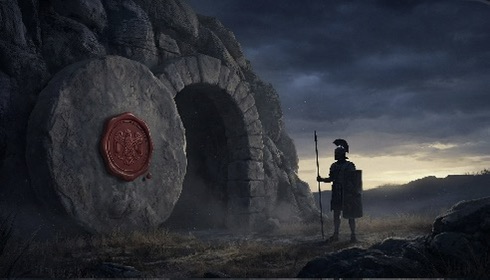
Holy Week: Resurrection Sunday — He Is Risen
Resurrection Sunday is the hinge point of all human history. This verse-by-verse study examines the empty tomb accounts across all four Gospels, the Greek behind the resurrection proclamation, and the historical evidence that has convinced skeptics for two thousand years.
Holy Week: The Most Powerful 7 Days in Human History
From the shouts of Hosanna on Palm Sunday to the empty tomb on Resurrection morning, Holy Week contains the most consequential events in human history. This day-by-day study walks through the final week of Jesus's earthly ministry with original Greek insights and historical context.
Holy Week Friday: Why This Day Changes Everything
Good Friday is the hinge of human history. Through six key passages — from Isaiah's prophecy to the tearing of the temple curtain — this verse-by-verse study explores the Greek behind 'It is finished' and why the cross changes everything.
Community Discussion
(0)Sign in to join the discussion.
No comments yet. Be the first to share your thoughts!